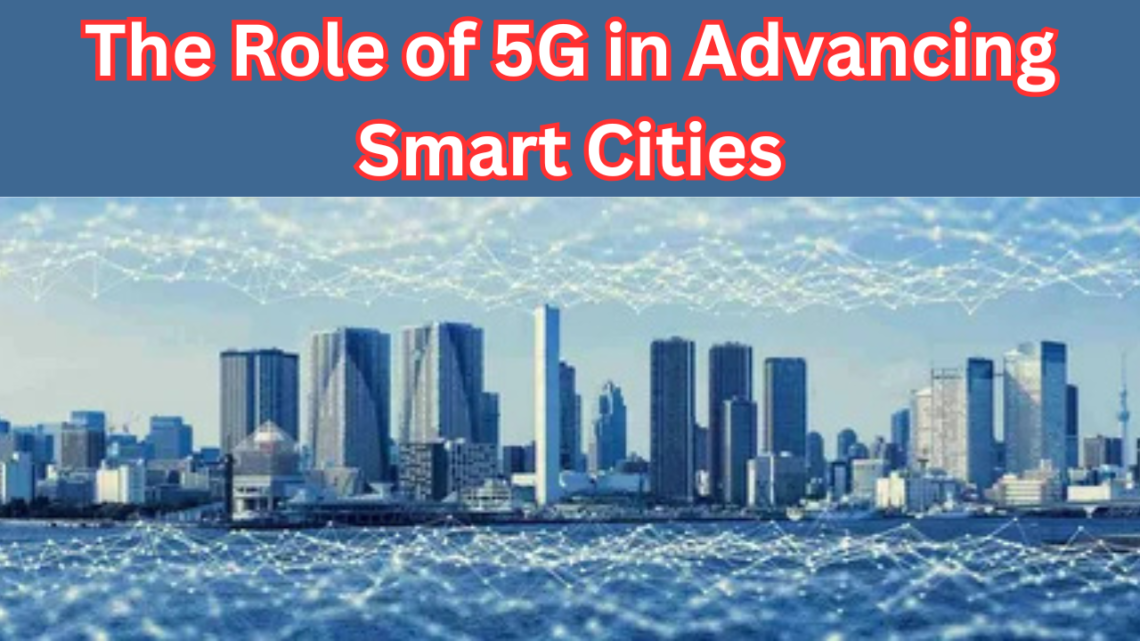
Smart cities are quickly becoming a reality as urban areas all over the world incorporate technology to improve sustainability maximize resources and improve quality of life. 5G technology the fifth generation of wireless communication is at the center of this change and has the potential to completely alter how cities function. With its ultra-low latency high-speed connectivity and wide range of device support 5G is set to serve as the foundation for smart cities.
This blog explores the role of 5G in advancing smart cities, its potential applications, and the benefits it offers for urban innovation.
What Makes 5G Essential for Smart Cities?
The interconnected systems gadgets and apps that make up smart cities produce and process enormous volumes of data in real time. The requirements of these systems cannot be entirely satisfied by conventional networks like 4G. Here is why 5G is revolutionary:
- Unparalleled Speed: Compared to 4G, 5G networks can reach speeds up to 100 times faster. This guarantees smooth device connection, allowing for real-time decision-making in vital systems like public safety and traffic control.
- Ultra-Low Latency: With 5G, latency the delay in data transmission can be as low as 1 millisecond. For time-sensitive applications like remote healthcare and driverless cars, this is essential.
- Massive Connectivity: The expansion of IOT (Internet of Things) devices in smart cities, ranging from sensors and cameras to smart appliances, may be accommodated by 5G, which can support up to 1 million devices per square kilometer.
- Energy Efficiency: Because 5G networks optimize power consumption, they are perfect for IoT devices that run on batteries and encourage sustainability
Applications of 5G in Smart Cities:
5G has the potential to revolutionize many aspects of city life. These are a few important applications.
- Smart Traffic Management:
Cities may use intelligent traffic systems to improve safety, manage traffic flow, and lessen congestion with 5G-enabled sensors and linked cars. For example,
- Real-time communication between vehicles and traffic lights can prevent accidents.
- Dynamic rerouting can help drivers avoid traffic jams.
- Public Safety and Emergency Response: First responders can communicate more quickly thanks to 5G, which gives them access to real-time data such as geolocation and video streams. AI-powered analytics can also be used by advanced surveillance systems to proactively identify and address emergencies.
- Energy Management: Smart grids with 5G capabilities can incorporate renewable energy sources, track trends in energy use, and guarantee effective distribution. Both customers and suppliers benefit from cheaper costs and less waste as a result.
- Healthcare Innovations: 5G’s great reliability and low latency make remote surgery and telemedicine more practical. By sending real-time data to healthcare providers, smart health monitoring devices can improve patient outcomes.
- Smart Buildings: Structures with 5G-enabled sensors can optimize heating and cooling systems, track energy use, and improve security with cutting-edge surveillance. This lessens the impact on the environment and operating costs.
- Environmental Monitoring: 5G-connected sensors can assess water contamination, noise levels, and air quality in real-time. City officials can move quickly to solve environmental issues and advance sustainability thanks to this data.
- Autonomous Transportation: 5G is essential for real-time communication and navigation in autonomous vehicles such as drones and self-driving cars. By lowering carbon emissions and traffic, these technologies have the potential to completely transform urban mobility.
Benefits of 5G for Smart Cities:
The integration of 5G into smart cities offers numerous advantages, including:
- Enhanced Efficiency: 5G facilitates automation and real-time data interchange, which improves service delivery and streamlines urban operations by cutting down on delays
- Cost Savings: 5G-enabled smart systems may minimize energy use, optimize resource allocation, and cut operating expenses for enterprises and governments.
- Improved Quality of Life: Residents enjoy a higher level of living as a result of improved public services, safer streets, and smarter healthcare.
- Sustainability: 5G-powered solutions encourage resource efficiency, facilitate the integration of renewable energy sources, and lessen urban areas’ environmental impact.
- Economic Growth: Businesses and investors are drawn to smart cities as a result of the introduction of 5G infrastructure, which also generates job opportunities and innovation.
Challenges and Considerations:
While the potential of 5G is immense, its implementation in smart cities comes with challenges:
- Infrastructure Costs: Governments and corporate organizations must invest heavily in the costly construction and upkeep of 5G infrastructure.
- Cybersecurity Risks: Increased connectedness raises the possibility of cyberattacks. It is crucial to make sure 5G networks and associated devices are secure.
- Digital Divide: The inclusiveness of smart city programs may be jeopardized if wealthier and poor communities have unequal access to 5G technology
- Environmental Impact: Although 5G makes sustainability possible, there may be environmental effects from the manufacture and disposal of network infrastructure.
Conclusion:
With the speed dependability and capacity needed to fuel a new era of urban innovation, 5G plays a revolutionary role in developing smart cities. By implementing 5G technologies cities across the globe can improve the quality of life for their citizens while tackling urgent issues like traffic pollution and resource scarcity.
To overcome obstacles and guarantee fair access to 5G benefits governments corporations and communities must work together to realize this vision. Cities can develop into smarter more sustainable and more inclusive places that satisfy the demands of coming generations by utilizing 5G to its fullest potential.