In today’s digital and fast-paced era, financial literacy is not just a skill but has become a necessity. Financial literacy means that a person knows how to properly use their money, make a budget, save and invest, and make financial decisions. In 2025, when inflation, digital banking, and financial products are becoming complex day by day, financial literacy is important for every person. People who manage their money wisely remain secure not only in their current life but also for the future.
Nowadays, financial planning plays a role at every stage from childhood to retirement, and without knowledge, it becomes difficult to make good decisions. In today’s time, financial scams, online fraud, and irresponsible spending have become very common. In such a situation, if someone does not have basic financial education, then they can easily fall into these traps. Financial literacy makes a person self-reliant and makes them understand when financial decisions should be taken at what time. This is the reason why, in 2025, more awareness campaigns, school curricula, and online resources will be created on this topic. This is not just a way to manage money, but a powerful tool to make your life secure and independent, which every person should seek.
Key Components of Financial Literacy:
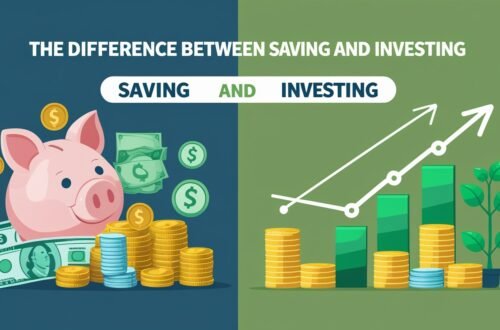
Financial literacy has some basic components that are very important for every person to understand. The first component is budgeting, which means managing your monthly income in such a way that necessary expenses are met and some money is left for saving. Making a budget and implementing it can save a person from unnecessary debt and stress. The second important part is saving, which means keeping money aside for emergencies or future goals. Then comes investing, where a person invests their saved money in stocks, mutual funds, or real estate to grow. Understanding the right way to invest and manage risk is also a part of financial literacy. Credit management is also very important, which involves understanding how to use a credit card or loan in a responsible way.
If a person does not know interest rates and credit scores, they can easily fall into a debt trap. Another part of financial literacy is understanding financial risks, such as taking insurance, avoiding fraud, and protecting your personal information. When a person understands all these components, they can make better financial decisions for themselves and secure their future. Knowledge of all these things is necessary for every branch in a complex financial system like 2025.
The Role of Technology in Financial Education:
In 2025, technology has transformed every field, and financial education is also not immune to it. Nowadays, everyone has a smartphone in their hands, and due to the accessibility of the internet, pursuing financial literacy has become much easier than before. Now people manage their budget with the help of mobile apps, set savings goals, and even invest in stocks without any broker. YouTube, educational websites, and financial blogs have made financial education accessible to everyone.
Earlier, people had to go to banks or advisors for financial advice, but now all the information is available with just a click. Digital banking, AI-based financial planning tools, and robo-advisors have helped humans to automate their decisions. But technology also brings with it some risks, like fake financial influencers, online scams, and data privacy issues. In such a situation, how to use technology safely and smartly has also become a part of financial literacy. Schools and universities are now offering financial courses through digital platforms where students learn through real-life simulations and quizzes. In this way, technology has made financial education interactive, engaging, and personalized. People who learn to use these tools correctly are able to manage their money more efficiently and lead a financially stable life.
Financial Literacy and Economic Independence:
Financial literacy is not just about understanding numbers and accounts; rather, it also gives economic independence and freedom to a person. When a person has the right knowledge of his money, he does not depend on anyone. He spends according to his needs and priorities and avoids unnecessary loans or credit traps. In today’s era, when everything is getting expensive, it has become very important to use your money properly and plan for the future. When people acquire financial literacy, they make saving and investing a part of their lifestyle. Due to this, they do not need to seek help from anyone in emergencies.
Women’s empowerment also has a deep connection with financial literacy. When women learn to manage their own money, they take their own decisions, be it education, health, or starting their own business. Similarly, if students learn the knowledge of budgeting and expenses, then they can avoid the burden of loans. If retired people do their financial planning correctly, then they can live life peacefully. Economic independence means that every person should be the master of their financial journey, and this is possible only when one has the correct knowledge of financial literacy. That’s why people of every age should learn this skill and implement it in their lives.
Challenges to Financial Literacy in 2025:
The importance of financial literacy in 2025 is very high, but there are many challenges in its path. The first challenge is misinformation. Nowadays, everyone has the same opinion on social media, and many dishonest people confuse or misguide others by giving fake financial advice. Another big issue is that not everyone gets equal access to financial education. People from poor places or low-income families still do not know basic banking or budgeting. Technology has helped, but not everyone has access to smartphones or the internet, which is why they lag. Then, language and literacy barriers are also a challenge, where people do not understand English or technical terms.
Financial education is still not taken seriously in many places in school curricula, due to which students are not able to learn to make real-life financial decisions. Online scams and frauds are also rampant, where people lose their savings to earn quick money. Credit card companies and buy-now-pay-later apps push people into spending without understanding its long-term implications. All these challenges tell us that financial literacy is not just a personal skill but a collective social responsibility. Every school, institution, and government should provide correct and simple financial education to the people so that everyone’s future can be secure.
Conclusion:
Today is a digital and fast-moving era where everyone has to make decisions in every aspect of their life, and the most important decision is financial. Financial literacy is not just the knowledge of counting money, but the way to understand your goals, manage risk, and make your life financially stable. In 2025, when inflation, recession, digital banking, and online scams have increased a lot, everyone should take their financial education seriously. People who learn financial knowledge today can secure not just their today but also their tomorrow. The education system, parents, and digital platforms all need to come together to spread this awareness.
If today’s students, employees, housewives, and even retired people understand the basics of budgeting, saving, and investment, their lifestyle can improve a lot. The government should also launch programmes in this field to make financial education available to the common man. When a society becomes financially literate, poverty reduces, economic growth increases, and people take their own decisions without depending on anyone. This blog aims to make every person understand that financial literacy is a necessity, and if not learned today, it can lead to problems tomorrow. Now, the time has come for every person to take responsibility for their financial future.
FAQs:
1. What is financial literacy and why is it important in 2025?
Financial literacy means understanding how to manage your money—budgeting, saving, investing, and making smart financial decisions. In 2025, with rising inflation, digital banking, and complex financial products, this skill is more important than ever. Financial literacy helps protect people from online scams, irresponsible spending, and poor planning, making them financially secure and independent.
2. What are the main components of financial literacy?
Key components of financial literacy include budgeting, saving, investing, credit management, and risk awareness. Budgeting helps manage income wisely, while saving and investing prepare for future needs. Credit management teaches responsible use of loans and credit cards. Knowing how to avoid fraud and understanding insurance are also essential parts of being financially literate.
3. How is technology helping in financial education?
Technology has made financial education more accessible in 2025. Mobile apps help with budgeting and saving, online platforms offer investment tools, and robo-advisors simplify financial planning. YouTube tutorials, financial blogs, and e-learning platforms provide knowledge to all age groups. However, users must stay cautious of online scams and false influencers, making digital safety a key part of financial literacy.
4. What challenges are people facing in achieving financial literacy in 2025?
Despite its importance, many people face barriers like misinformation on social media, lack of access to education, language issues, and limited internet or smartphone availability. Additionally, online scams and tempting credit offers mislead users. Many schools still don’t include financial education, leaving students unprepared for real-world financial decisions.
5. How does financial literacy promote economic independence?
Financial literacy gives individuals the knowledge to make independent decisions without relying on others. It empowers people to save, invest wisely, and avoid debt traps. For women, students, and retired individuals, this knowledge ensures control over education, health, and retirement planning. Economic independence leads to confident living and a stronger, self-reliant society.