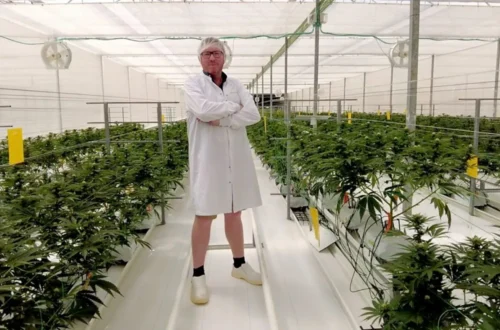
A quiet revolution is unfolding across the globe as societal perceptions of cannabis undergo a profound transformation. For generations, the plant was shrouded in stigma, relegated to the shadows of counterculture and criminality. Today, that narrative is being rewritten. A growing body of scientific research is illuminating the plant’s complex chemistry, revealing a spectrum of compounds beyond the psychoactive THC. This shift in understanding is dismantling old prejudices and paving the way for a more nuanced conversation about cannabis, its potential benefits, and its place in modern society. We are witnessing not just a policy change, but a cultural and intellectual renaissance centered on this ancient and versatile plant.
A Pharmacopeia of the Plant
At the heart of the evolving cannabis dialogue lies its remarkable chemical complexity. The plant is a sophisticated natural pharmacopeia, producing over one hundred cannabinoids, each with unique properties. While THC is famous for its psychoactive effects, non-intoxicating compounds like CBD have captured the attention of the medical community for their therapeutic potential. These cannabinoids interact with the human body’s endocannabinoid system, a vast network of receptors that helps regulate crucial functions such as pain, mood, appetite, and immune response. This intricate biological interplay suggests that cannabis is far more than a simple recreational drug; it is a multifaceted botanical agent whose components can be harnessed to support human health and wellness in targeted and sophisticated ways.
Beyond the Smoke and Mirrors
As legalization spreads, the image of cannabis is finally moving beyond the stereotypes of smoke and mirrors. The modern cannabis industry is fostering a culture of education and sophistication, where consumers are encouraged to understand the nuances of different strains, cannabinoid profiles, and consumption methods. From tinctures and topicals to capsules and edibles, the ways to integrate cannabis into a wellness routine are becoming as diverse as the plant itself. This evolution encourages a focus on intentionality—using specific products for relaxation, focus, or relief—rather than a one-dimensional pursuit of intoxication. This shift from recreational haze to intentional wellness marks the most significant chapter in the long and complicated story of cannabis.